

Benefits of treatment
- Relief from the pain of an inflamed nerve
- Keeps the natural tooth instead of extracting it
- Treats infection and stops it spreading
- Restores chewing once the tooth is rebuilt
Relieve pain, save the tooth
Treatment of an inflamed or infected tooth nerve to relieve pain and keep the tooth instead of removing it.
When decay or injury reaches the nerve of a tooth it can cause severe pain or infection. Root canal treatment removes the affected tissue from inside the tooth, then cleans and fills the canals.
The aim is to relieve pain and keep the natural tooth. We explain the steps, the expected number of visits, and what the tooth needs after treatment.
Available at all three branches
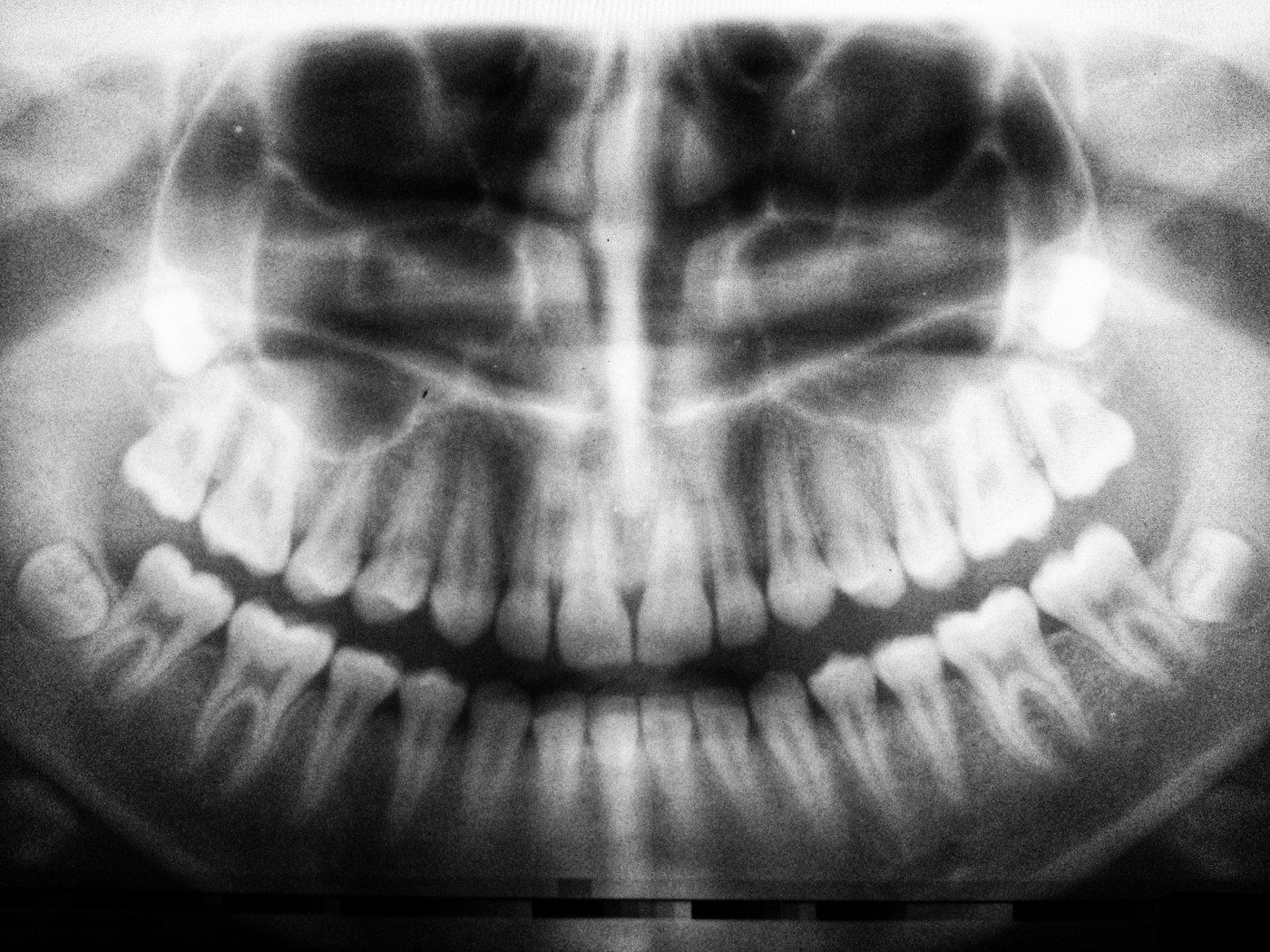
We assess the tooth, nerve and roots with X-rays.
For your comfort throughout the visit.
Affected tissue is removed and the canals are filled.
A filling or crown protects the tooth afterwards.
It is done under local anaesthetic, and its purpose is to relieve the pain of an inflamed nerve. Some discomfort afterwards for a short time is normal.
It varies with the tooth, the number of canals and the degree of infection. Your dentist will explain after the examination and X-rays.
In many cases a crown is advised to protect the tooth, especially back teeth. Your dentist will recommend what suits your case.
This page is for general information and does not replace an examination. Your dentist will recommend the right treatment after diagnosis.
Better Call Florida
Request a consultation or send us your question on WhatsApp, and our team will get back to you.