

Benefits of treatment
- A fixed replacement you do not remove daily
- Better chewing and clearer speech
- Often no need to reshape neighbouring teeth
- A look close to natural teeth
A fixed option for missing teeth
Replacing missing teeth with fixed implants after a careful assessment of bone, gums and general health.
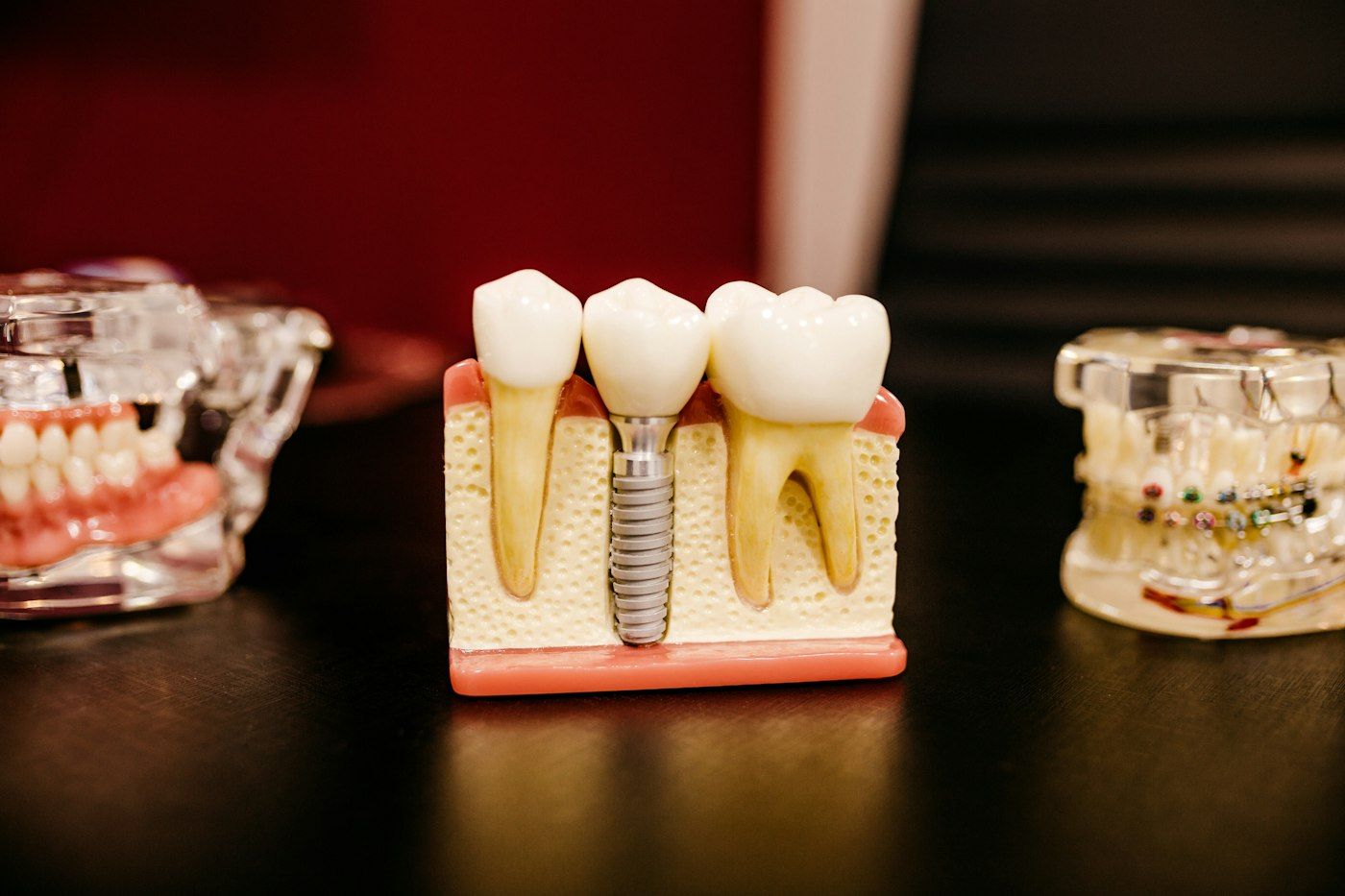
Dental implants are a common way to replace one or more teeth. A small post is placed in the jawbone and then fitted with a crown or another suitable restoration.
We take the assessment seriously, including X-rays, bone evaluation and your general health, because careful planning is a key part of good treatment.
Available at all three branches
Oral examination, bone evaluation and a health review.
We explain the stages, timeline and cost before starting.
The implant is placed, with clear aftercare instructions.
The crown is fitted after healing and follow-up.
Not always. It depends on your bone, gums, general health and habits such as smoking. Your dentist will decide after an examination and X-rays.
Implants are usually placed under local anaesthetic. Some discomfort or swelling afterwards is common for a while, and you will be given clear aftercare advice.
It varies with your bone, healing time and whether supporting procedures are needed. Your dentist will set this out in your treatment plan.
This page is for general information and does not replace an examination. Your dentist will recommend the right treatment after diagnosis.
Better Call Florida
Request a consultation or send us your question on WhatsApp, and our team will get back to you.